
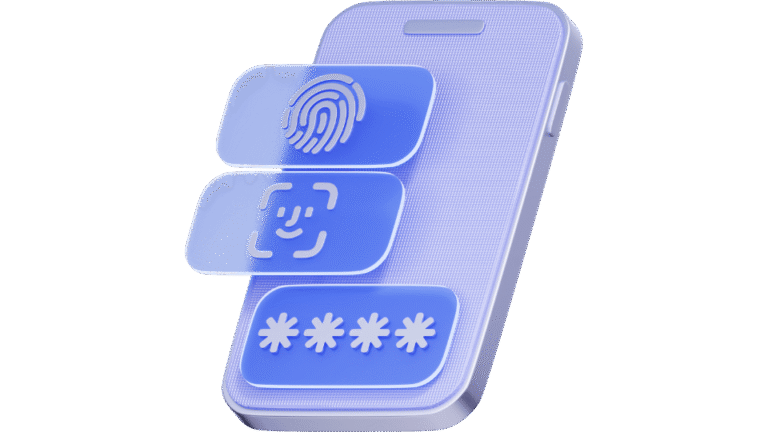
A digital passport is a secure digital representation of a traditional passport that can be stored and presented using a mobile device. It enables individuals to prove their identity and citizenship using cryptographically verified data issued by a trusted government authority.
Digital passports are part of the broader evolution toward digital identity ecosystems, where official credentials can be issued, stored, and shared electronically. In Europe, they are expected to integrate with the EU Digital Identity Wallet introduced by the eIDAS 2.0 Regulation.
What is a Digital Passport?
A digital passport is a government-issued digital credential containing verified identity information similar to what appears in a physical passport.
Unlike scanned copies or images, digital passports are cryptographically signed credentials that allow verifiers to confirm authenticity and integrity without relying on manual inspection.
They can be presented directly from a secure digital identity wallet, allowing individuals to verify their identity both online and in person.
Digital Passports and the Future of Identity
Digital passports represent an important step toward fully digital government-issued credentials. Combined with mobile identity wallets and verifiable credential technologies, they enable individuals to securely use official identity documents in digital environments.
Within the ecosystem defined by the eIDAS 2.0 Regulation, digital passports will help support a trusted framework for cross-border identity verification, secure digital services, and interoperable identity systems across Europe.
